
Feeling hungry between meals is completely normal. Sometimes you want something crunchy in the afternoon, something refreshing on a hot day, or a quick bite while studying or working. Instead of relying on packaged snacks every time, you can prepare simple homemade options using everyday ingredients.
The best snacks are not necessarily expensive or complicated. A combination of foods such as fruit, vegetables, yogurt, nuts, seeds, whole grains, and beans can make a satisfying snack. You can also adapt these ideas to your taste, budget, and the ingredients available in your kitchen.
In this guide, we will explore 10 healthy snacks you can make at home, including easy Indian-inspired options, quick no-cook ideas, and crunchy alternatives to packaged snacks.
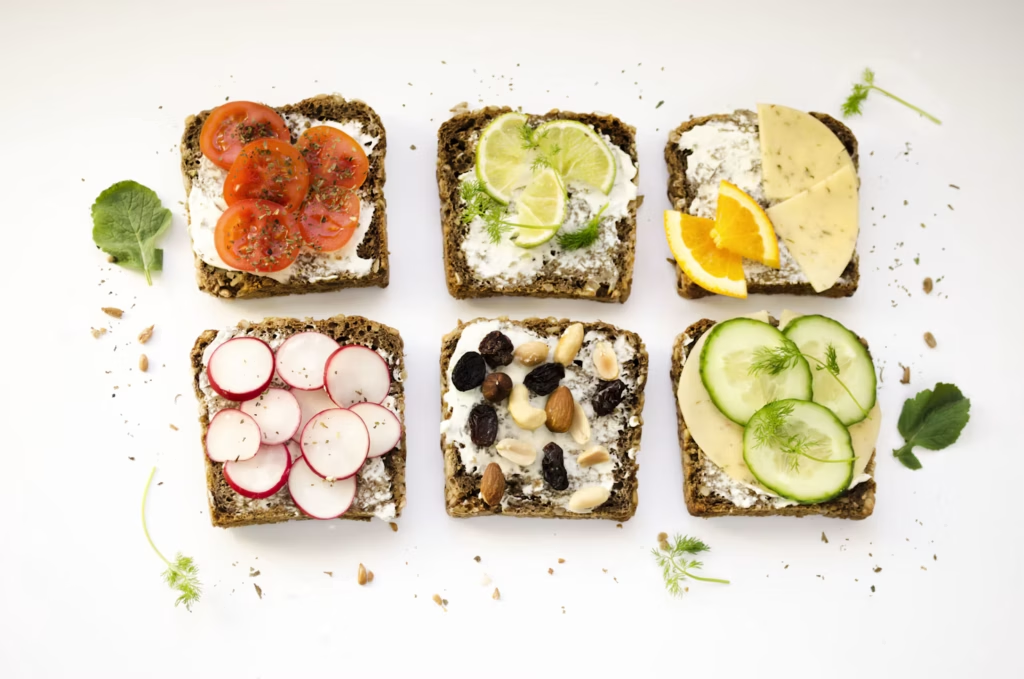
Why Make Snacks at Home?
Preparing snacks at home gives you more control over the ingredients and portion sizes. You can adjust the salt, sugar, oil, and seasonings according to your preferences.
Homemade snacks can also help you use ingredients already available in your kitchen. For example, leftover boiled chickpeas can become a quick chaat, while plain yogurt and seasonal fruit can make a refreshing snack.
A useful approach is to combine different food groups. Pairing fruit with yogurt, vegetables with hummus, or whole-grain toast with peanut butter can make a snack more filling than eating a single food on its own.
Remember, packaged foods can also fit into a balanced diet. Homemade snacks are simply another practical option.
1. Roasted Chickpeas
Roasted chickpeas are a crunchy snack made with boiled or canned chickpeas, a little oil, and your favourite spices.
Chickpeas provide plant-based protein and dietary fibre, making them a useful ingredient for a satisfying snack.
Ingredients
- 1 cup cooked chickpeas, drained
- 1 teaspoon oil
- ¼ teaspoon cumin powder
- ¼ teaspoon paprika or chilli powder
- A small pinch of salt
How to Make It
- Preheat your oven to 200°C.
- Drain the chickpeas and pat them dry.
- Mix them with oil, cumin, chilli powder, and salt.
- Spread them in a single layer on a baking tray.
- Roast for approximately 25–35 minutes, stirring occasionally, until they are golden and crisp.
Cooking time varies depending on the chickpeas and your oven. Allow them to cool before storing.
Quick tip: If you do not have an oven, try lightly sautéing chickpeas in a pan until they become golden. They may be less crunchy, but they can still make a tasty snack.
2. Fresh Fruit and Yogurt Bowl
A fruit and yogurt bowl is one of the easiest healthy snacks to prepare. It requires little effort and can be adjusted according to the season.
Ingredients
- ½–1 cup plain yogurt or unsweetened curd
- 1 small banana, apple, or a handful of seasonal fruit
- 1 teaspoon chopped nuts or seeds, optional
- A pinch of cinnamon, optional
How to Make It
- Add the yogurt to a bowl.
- Wash and chop the fruit.
- Place the fruit over the yogurt.
- Sprinkle with nuts, seeds, or cinnamon if desired.
Plain yogurt provides protein and calcium, while fruit contributes fibre, vitamins, and natural sweetness.
Quick tip: Mango, papaya, banana, apple, berries, and guava can all work well. Choose whichever fruit is affordable and available locally.
3. Vegetable Sticks with Hummus
If you enjoy crunchy snacks, pair fresh vegetables with hummus. Hummus is a dip traditionally made with chickpeas, tahini, lemon juice, and garlic.
Ingredients
- 1 carrot
- 1 cucumber
- 1 small capsicum
- ¼–½ cup hummus
How to Make It
- Wash the vegetables thoroughly.
- Cut them into sticks or bite-sized pieces.
- Serve with hummus for dipping.
Carrots, cucumbers, capsicum, and celery are all suitable choices. Hummus adds flavour and contributes protein and fibre from chickpeas.
Quick tip: You can prepare the vegetable sticks in advance and keep them refrigerated in a clean, covered container. Keep the dip chilled as well.
4. Peanut Butter and Banana Toast
This snack combines whole-grain bread, banana, and peanut butter for a mixture of carbohydrates, fibre, and fats.
Ingredients
- 1 slice of whole-grain bread
- ½ banana
- 1 tablespoon peanut butter
How to Make It
- Toast the bread if you prefer it crispy.
- Spread a thin, even layer of peanut butter.
- Slice the banana and arrange it on top.
- Add cinnamon if you enjoy its flavour.
Choose peanut butter with a simple ingredient list if possible, and compare labels for added sugar and salt.
Quick tip: If you have a peanut allergy, choose a suitable alternative only if it is safe for you and does not contain your allergen.
5. Homemade Vegetable Poha
Poha can be a useful snack when you want something savoury rather than sweet. Adding vegetables and peanuts can make it more varied and satisfying.
Ingredients
- 1 cup flattened rice (poha)
- ¼ cup chopped onion, optional
- ½ cup chopped vegetables, such as peas, carrots, or capsicum
- 1 teaspoon oil
- Mustard seeds, turmeric, and lemon juice to taste
- A small amount of salt
- Peanuts, optional
How to Make It
- Rinse the poha briefly and allow it to soften.
- Heat the oil in a pan and add mustard seeds.
- Add the onion and vegetables, then cook until tender.
- Mix in the poha, turmeric, and salt.
- Heat gently until everything is combined.
- Finish with lemon juice and optional peanuts.
Adjust the portion according to your appetite. Poha can work as a snack or a light meal, depending on how much you eat and what you serve alongside it.
6. Roasted Makhana
Makhana, also called fox nuts or lotus seeds in everyday food discussions, is popular as a crunchy Indian snack. Roasting it in a pan requires only a few ingredients.
Ingredients
- 2 cups makhana
- 1 teaspoon ghee or oil, optional
- Black pepper, cumin powder, or chilli powder
- A small pinch of salt
How to Make It
- Heat a pan over low to medium heat.
- Add the makhana and roast, stirring regularly.
- If desired, add a small amount of ghee or oil.
- Sprinkle with your preferred spices.
- Continue roasting until the makhana feels crisp.
Let the snack cool before transferring it to an airtight container.
Quick tip: Keep the seasoning simple and taste before adding extra salt. The texture can vary by brand and freshness, so adjust roasting time as needed.
7. Sprouted Moong Salad
Sprouted moong salad is a fresh, savoury snack that combines legumes with vegetables and lemon juice.
Ingredients
- 1 cup safely prepared moong sprouts
- ½ cucumber, chopped
- 1 small tomato, chopped
- 1–2 tablespoons chopped coriander
- Lemon juice
- Cumin powder and salt to taste
How to Make It
- Place the prepared sprouts in a bowl.
- Add cucumber, tomato, and coriander.
- Season with lemon juice, cumin powder, and a little salt.
- Mix well and serve fresh.
Food safety note: Raw sprouts can carry harmful bacteria, even when they look fresh. Children, older adults, pregnant people, and people with weakened immune systems should avoid raw sprouts. Cooking sprouts thoroughly is the safer option for these groups and can reduce risk for everyone.
8. Boiled Egg with Whole-Grain Toast
For people who eat eggs, a boiled egg with whole-grain toast makes a simple savoury snack. Eggs provide protein, while whole-grain bread can contribute fibre.
Ingredients
- 1 egg
- 1 slice of whole-grain bread
- Black pepper
- A small amount of salt, optional
How to Make It
- Cook the egg until both the white and yolk are firm.
- Toast the bread.
- Slice the egg and place it on the toast.
- Season with black pepper and serve.
You can add sliced tomato or cucumber for extra variety. If you do not eat eggs, consider cooked chickpeas or another protein-rich food that suits your diet.
9. Homemade Corn Chaat
Corn chaat is a quick way to turn cooked corn into a colourful, tangy snack.
Ingredients
- 1 cup cooked sweet corn
- ¼ cup chopped cucumber
- ¼ cup chopped tomato
- Chopped coriander
- Lemon juice
- Chilli powder and cumin powder to taste
How to Make It
- Cook the corn until tender.
- Allow it to cool slightly.
- Mix it with cucumber, tomato, and coriander.
- Add lemon juice and spices.
- Toss everything together and serve.
You can add boiled chickpeas for extra protein and fibre. Adjust the chilli according to your preference.
Quick tip: Use freshly cooked corn or refrigerate leftovers promptly. Avoid leaving cooked corn at room temperature for extended periods.
10. Oats and Banana Pancakes
When you want a snack that feels like a treat, try small homemade banana-oat pancakes. They are easy to prepare and do not require refined sugar.
Ingredients
- 1 ripe banana
- ½ cup oats, ground into flour if desired
- 1 egg, or an appropriate egg substitute
- A little milk or water, as needed
- Cinnamon, optional
- A small amount of oil for the pan
How to Make It
- Mash the banana in a bowl.
- Mix in the oats and egg.
- Add a little milk or water if the batter is too thick.
- Heat a lightly greased pan over medium-low heat.
- Spoon small portions of batter into the pan.
- Cook until the underside is set, then flip and cook the other side thoroughly.
Serve plain or with fresh fruit. If using an egg substitute, follow its preparation instructions and ensure the pancakes cook through.
Quick tip: Make small pancakes so they are easier to flip. Refrigerate leftovers promptly and reheat them thoroughly before eating.
How to Build a Balanced Snack
You do not need to follow a strict formula for every snack. However, combining foods from different groups can help make snacks more satisfying.
Here are a few simple combinations:
- Fruit + protein: Apple with peanut butter, or fruit with plain yogurt.
- Vegetables + dip: Carrot and cucumber sticks with hummus.
- Whole grains + protein: Whole-grain toast with egg or a suitable alternative.
- Legumes + vegetables: Chickpea chaat or cooked moong salad.
- Crunchy snack + variety: Roasted chickpeas or makhana alongside a piece of fruit.
Your appetite, activity level, meal schedule, and individual needs will influence how much food feels right for you. You do not need to snack if you are not hungry, and you do not need to avoid snacks simply because you have eaten a meal.
Tips for Preparing Healthy Snacks in Advance
A little preparation can make homemade snacks easier to choose on busy days.
1. Wash and Cut Vegetables
Prepare vegetables in manageable quantities and store them in clean, covered containers in the refrigerator.
2. Keep Convenient Ingredients Available
Stock items such as oats, whole-grain bread, chickpeas, plain yogurt, seasonal fruit, and unsalted nuts or seeds.
3. Prepare Simple Dips
Hummus or a yogurt-based dip can make vegetables more appealing. Keep homemade dips refrigerated and use clean utensils.
4. Portion Snacks When Helpful
If you tend to eat straight from a large packet or container, serving a portion in a bowl may help you notice how much you are eating.
5. Use Safe Storage Practices
Refrigerate foods that require chilling promptly. As a general food-safety rule, do not leave perishable foods at room temperature for more than two hours—or one hour when the temperature is above 32°C. Keep your refrigerator at 4°C or below.
Frequently Asked Questions
What is the easiest healthy snack to make at home?
Fresh fruit, plain yogurt with fruit, roasted makhana, and peanut butter toast are all relatively simple options. Choose the one that matches your taste, available ingredients, and dietary needs.
Which homemade snacks are good for busy students?
Bananas, apples, yogurt, whole-grain toast, roasted chickpeas, and a small container of homemade chaat can be practical options. Choose snacks that are easy to pack and store safely.
Can I eat snacks every day?
Yes. Snacks can be part of a varied eating pattern. Whether you need one depends on your hunger, schedule, preferences, and nutritional needs.
Are homemade snacks always healthier than packaged snacks?
Not automatically. Homemade snacks give you more control over ingredients, but packaged foods can also be convenient and nutritious. Compare ingredients, added sugars, sodium, fibre, and portion sizes when making choices.
How can I make snacks more filling?
Consider combining foods, such as fruit with yogurt, vegetables with hummus, or whole-grain toast with an egg or a suitable alternative. Protein- and fibre-containing foods may help you feel satisfied.
Are these snacks suitable for everyone?
No single snack is right for everyone. Allergies, intolerances, medical needs, age, and cultural or personal preferences can affect food choices. Adapt ingredients as needed, and seek individual advice from a qualified healthcare professional or registered dietitian when appropriate.
Final Thoughts
Healthy snacking does not need to be complicated or expensive. From roasted chickpeas and makhana to fruit bowls, vegetable poha, and homemade corn chaat, there are plenty of options you can prepare with everyday ingredients.
Start with two or three recipes you genuinely enjoy. Keep convenient ingredients available, experiment with seasonings, and adjust portions according to your appetite.
The goal is not to make every snack perfect. It is to find practical, enjoyable options that fit into your everyday eating habits.
Disclaimer: This article provides general food and nutrition information for educational purposes only. Individual dietary needs vary. It is not a substitute for personalise